
How to Choose the Best Garden Room Design for Your Home
Choosing a garden room is one of those exciting decisions that instantly gets you daydreaming. Are you imagining a peaceful studio at the end of the garden? A cosy hideaway for morning coffee? A home office with birdsong instead of traffic noise? However you imagine using the space, going for the right design makes it feel natural, comfortable, and a part of your home.
For a deeper dive into common design questions and practical considerations before you start planning your cabin or garden room, check out our guide on what to know before designing your cabin. And if you’re thinking about your next step after inspiration and questions, explore practical uses and ideas for your cabin design for even more examples of how people use their spaces.
1. Begin with the Purpose; What Will Your Garden Room Actually Be?
Before thinking about cladding, windows, or where the sun hits the lawn, it helps to get clear on what your new space is actually for.
A Home Office That Makes Work Feel Lighter
Garden offices are all about calm and clarity.
Look for natural light (think about where the sun hits to avoid harsh glare on screens).
Add soundproofing if you’re on calls often.
Make sure you have plenty of power points and good Wi-Fi.
And if you like the idea of a hybrid space, you can design the layout to feel “office by day, sanctuary by evening.”
A Garden Gym or Studio
If you’re planning workouts, yoga, or dance sessions:
Ventilation and insulation are worth considering.
Reinforced floors keep equipment stable.
Large doors or opening windows will give you that refreshing outdoor feeling, especially on spring mornings.
A Guest Annexe for Visitors Who Deserve Something a Bit Special
If someone will be staying overnight:
You may need planning permission (more on that below).
Plumbing for a small bathroom or kitchenette can make the space feel self-contained.
Prioritise privacy and warmth so guests feel truly at home.
A Creative Studio for Hobbies, Art or Music
The perfect setup for getting lost in what you love.
Natural light; big windows, skylights, or both.
Include clever storage for tools and materials.
And if it’s a music studio, some soundproofing will go a long way.
An Entertainment Hub for Gatherings
Ideal if you love hosting:
Sliding or bifold doors create an easy flow from garden to cabin.
Add a deck or small seating area for summer evenings.
Consider warm ambient lighting for moodier nights.
A Relaxation Retreat
Sometimes we all just need a quiet spot that feels like “away,” even though it’s only a few steps from the house.
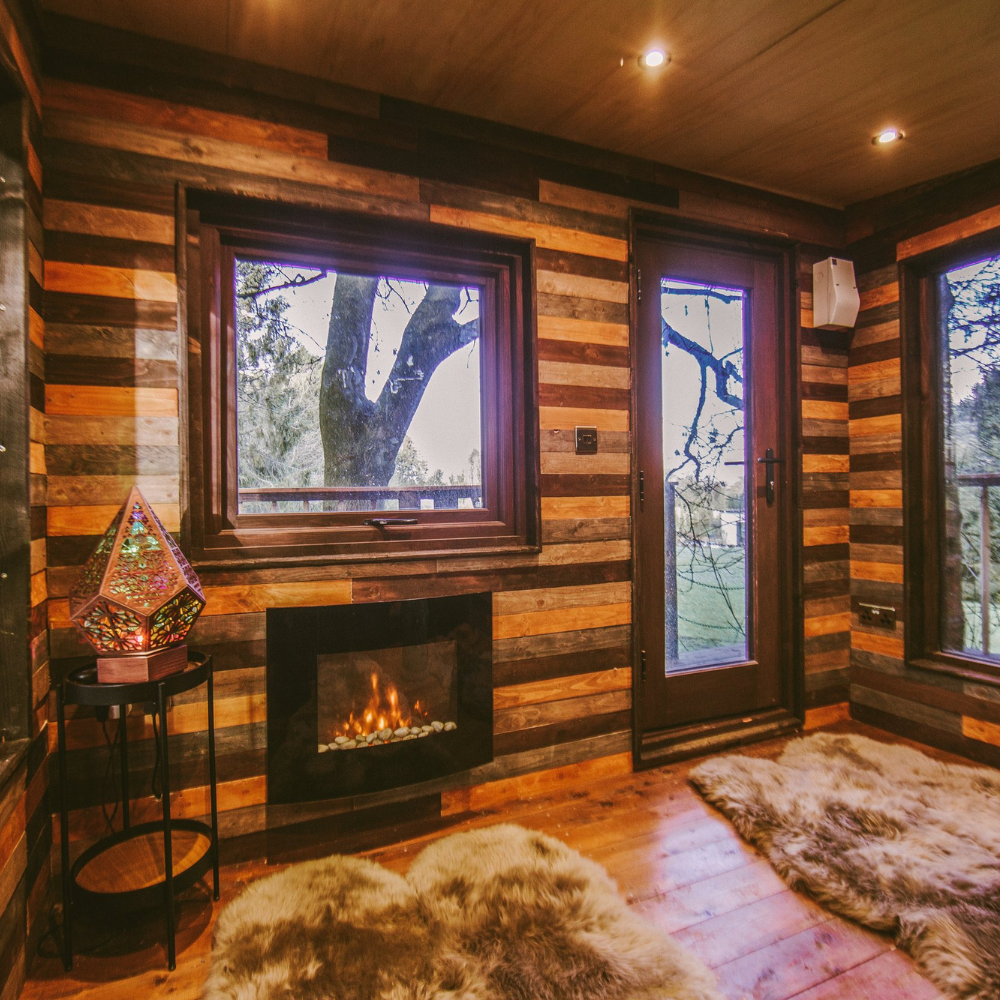
Choose a position with your favourite garden view.
Cosy seating, soft lighting, and natural textures make it instantly inviting.
For more examples, take a look at our Cabins & Garden Rooms process.
2. Think About Your Garden Space and Where the Cabin Should Live
Even the most beautiful garden room needs the right setting to really shine.
Mark Out the Space First
Grab a few canes or string and outline where the cabin could go.
Walk around it.
Look at it from the house.
Picture mornings, evenings, and changing seasons. This simple step makes the future room suddenly feel real.
Follow the Light
Every garden has its own rhythm.
South-facing spots give you lots of sunshine but may need extra ventilation.
North-facing areas offer more consistent light, lovely for offices and studios.
East-facing captures gentle morning sun; west-facing gives you warm evenings.
Make the Most of Your Garden Views
Whether it’s a tree, a pond, or a flowerbed you’re proud of, positioning a cabin to frame that view makes the space feel magical.
Privacy and Peace
If you want your garden room to feel like a retreat, consider tucking it away from sightlines. If you prefer it to feel connected to the house, placing it a little closer can work beautifully.
Create Natural Flow
Pathways, planting, or decking help the cabin feel like it belongs.
3. Pick a Style and Materials That Feel Like “You”
This is where personality can really start to shine.
Contemporary Designs
Clean lines, minimalist shapes, wide glass doors are ideal if your home has a modern look or you love simplicity.
Traditional Timber Cabins
Warm, characterful, and beautifully at home in natural surroundings. Cedar and Redwood are both great options depending on the tone and look you prefer.
Material Options Worth Considering
Cedar cladding: Elegant, premium, and naturally weather-resistant.
Redwood cladding: Durable with a classic feel.
Composite cladding: Low-maintenance with modern performance.
Glass elements: Wonderful for light, just balance with insulation needs.
4. Check Planning Permission and Building Regulations (the Practical Bit)
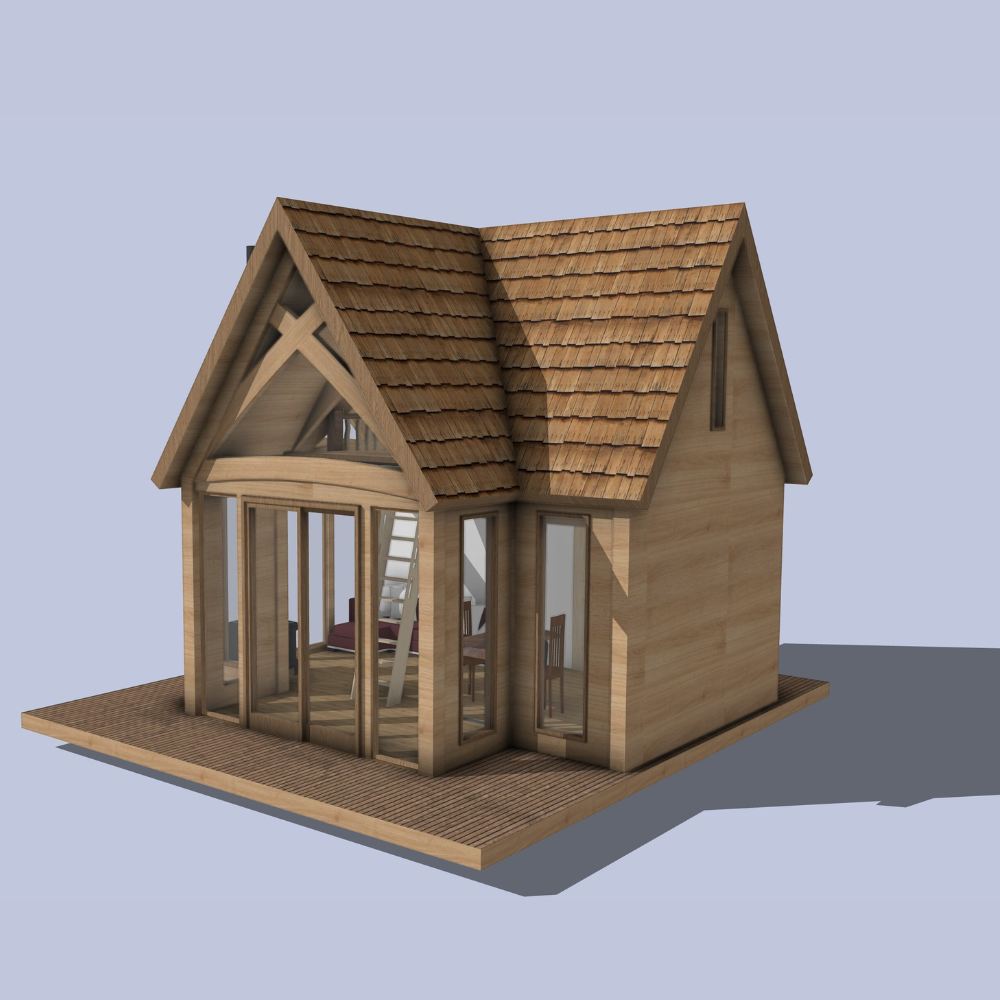
Thankfully, most garden rooms fall under permitted development, but not all.
When You Usually Don’t Need Permission
You’re typically covered if the cabin:
Is single-storey
Fits within height limits
Doesn’t take up more than 50% of your garden
Isn’t used as permanent living accommodation
Doesn’t include a raised platform, veranda or balcony
When You Do Need Permission
Apply if:
The design is larger or taller than permitted
Your property is listed
You’re in a conservation area
You plan to use it as a self-contained dwelling
You’re adding plumbing for full living facilities
Building Regulations Explained Simply
Under 15m² with no sleeping? You’re usually fine.
Between 15–30m²? Ensure it’s far enough from boundaries or uses non-combustible materials.
Any electrical work must be done by a certified professional.
5. Make It Comfortable All Year Round
Once you’ve designed a garden room that looks the part, the final step is making sure it feels right all year round. Comfort is what turns a beautiful structure into a space you’ll actually want to use, whether that’s early on a frosty morning or during the height of summer.
Insulation
High-quality insulation in the walls, floor and roof ensures comfort and reduces energy use.
Glazing
Double or triple glazing improves warmth and provides excellent sound insulation.
Heating & Cooling Options
Electric radiators
Underfloor heating
Air-conditioning units for hot days
Lighting That Sets the Mood
A mix of natural and artificial light helps the space work for every season and purpose.
Create a Space That Feels Like Home, Just a Little More Magical
The garden rooms we love most are the ones that feel personal, whether that’s a quiet place to think, a cosy little hideaway for slow mornings, or a creative nook where ideas seem to come a bit easier.
When you choose the right design, the space becomes more than an addition to your garden; it becomes part of the rhythm of your home. If you're exploring possibilities and want to see how different styles, layouts and uses come together in real life, explore our Cabins & Garden Rooms.